Construction materials
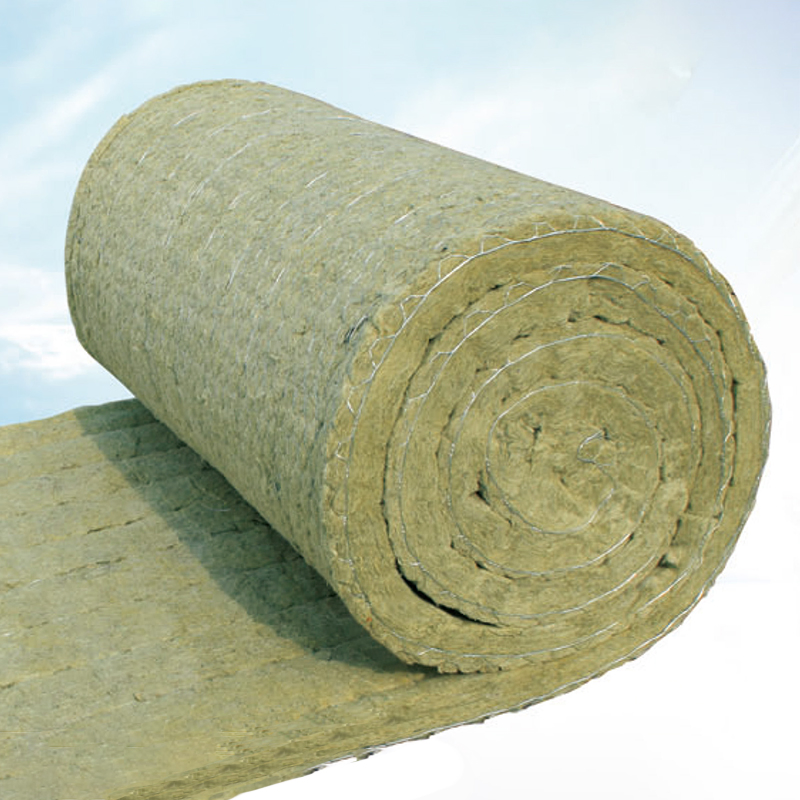
High-density basalt wool insulation made from molten basalt rock, offering excellent thermal resistance, fire safety, and long-term stability for building applications.
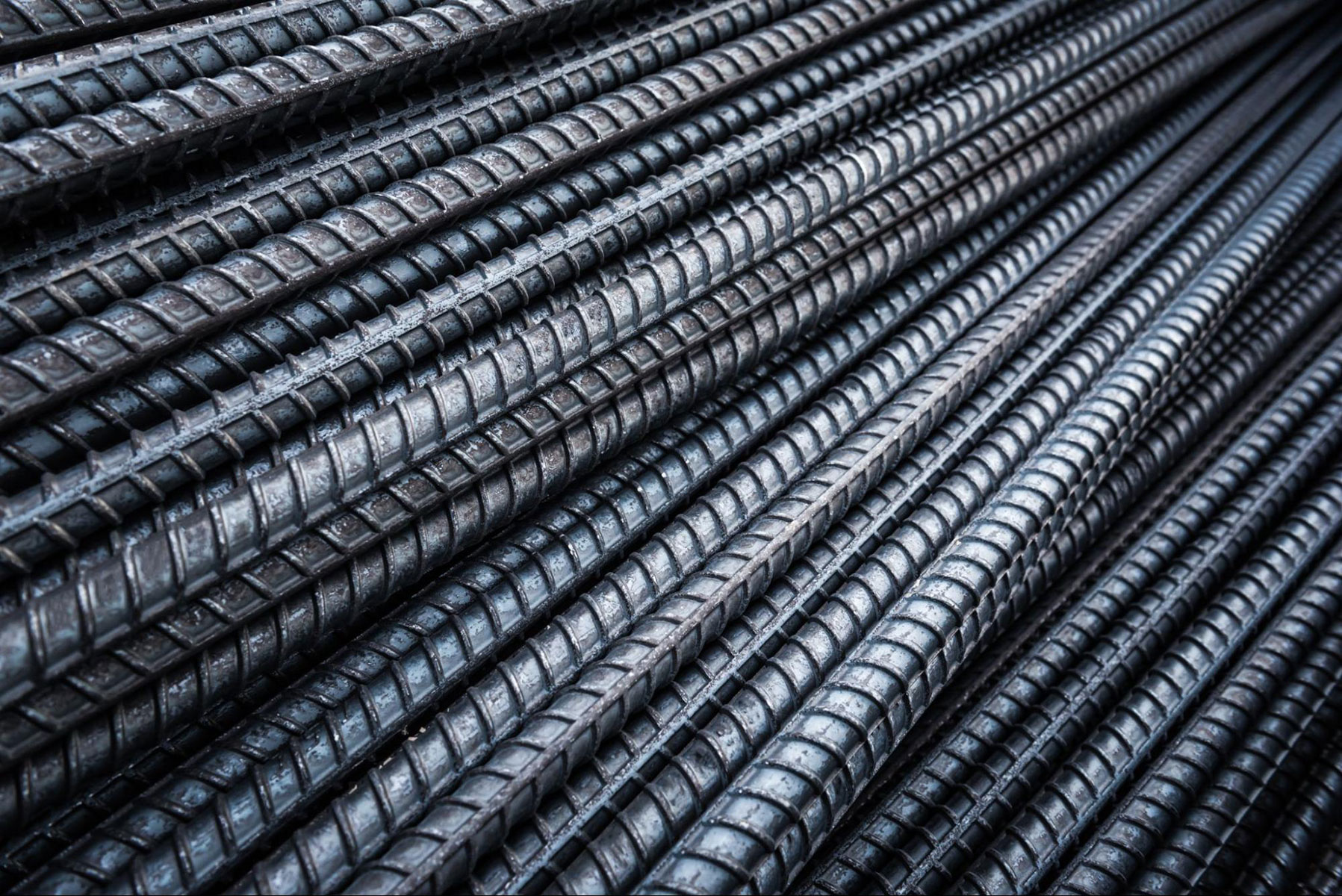
High-strength steel reinforcement bars designed to improve structural durability, load resistance, and seismic
performance in concrete construction.

Heat-resistant basalt insulation for industrial facilities, pipelines, and high-temperature environments, providing reliable thermal protection and fire resistance.

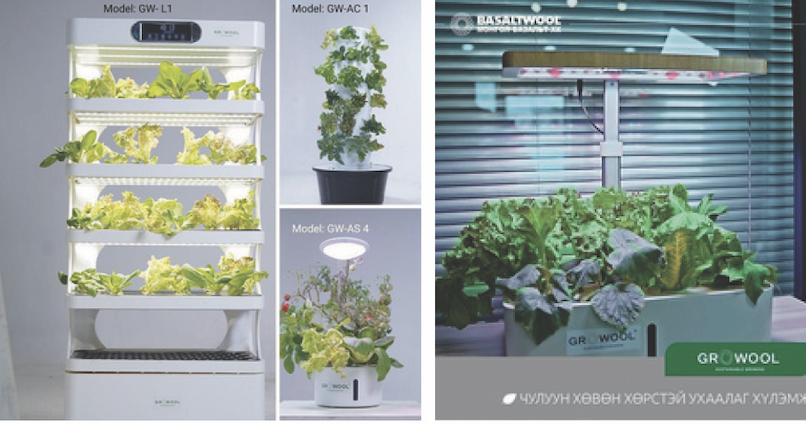
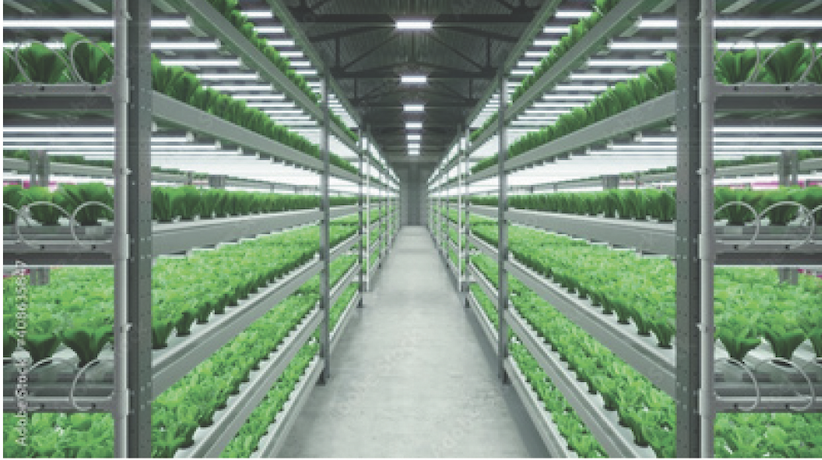
Basalt-based hydroponic growing medium that supports healthy
root development and enables stable, year-round crop production
with reduced water use.
BASALT
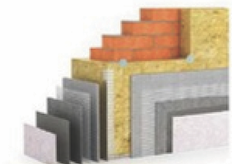
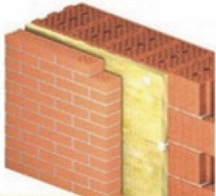
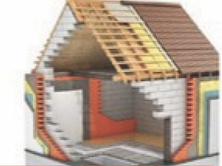
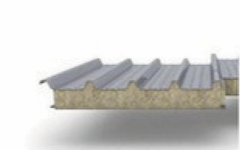
This product is a high-density, rigid insulation board that can be used for the thermal insulation of building walls, roofs, and floors. It is made from fibers produced from molten basalt rock and combines heat resistance with long-term stability.
Contributes to the reduction of air pollutionExcellent sound absorption providing a sound-proofing effectReduces fire risk and protects human life and property
In particular, it has the ability to withstand high temperatures of 1000°C or more and, compared with other insulation materials, exhibits outstanding fire resistance. In the event of a fire, it can slow the spread of flames and secure valuable time for evacuation and firefighting.
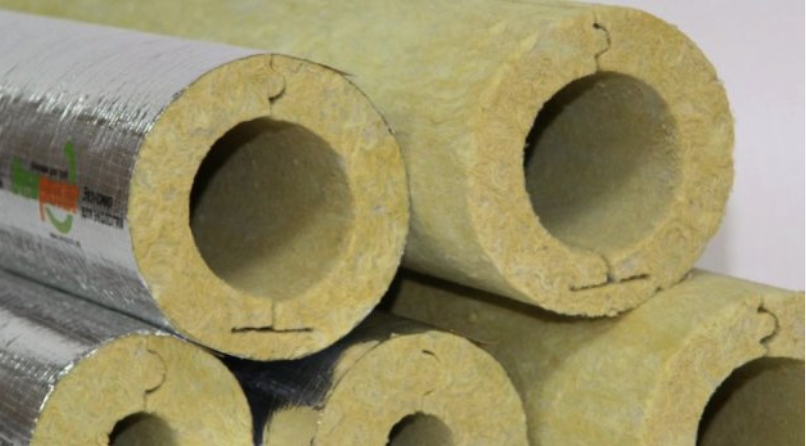
BASALTWOOL INSULATION
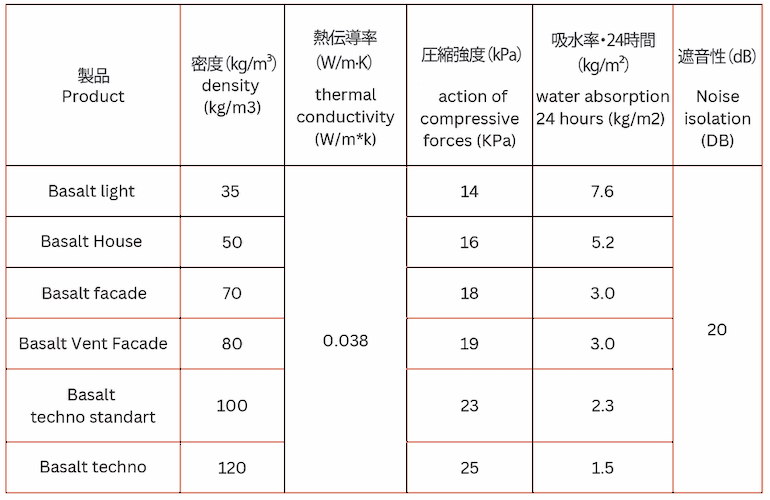
Basalt wool with a density of 35-130 kg/m3
– these are rather rigid slabs that can be used to insulate interfloor floors, load-bearing structures, upper layers in a load bearing roof device and other load bearing structures. It is made from molten basalt rock, which is converted into fiber with characteristics that no other insulation material has.
In particular, the characteristics of this thermal insulation material are:
• Energy saving
• Reduction of pollution
• Noise absorption
• Reducing the risk of fires
• Protection of life and property in case of fire.

SIGNIFICANCE OF
BASALT WOOL
Basalt wool is a natural material with many advantages, such as fire resistance, sound insulation, long life,
and no adverse effects on health. It is suitable for use in construction, industry, transportation,
horticulture, and water management.
Basalt stone wool thermal insulation material is a very important strategic product for national
sustainable constructions that are friendly to the environment and society, reduce carbon dioxide and its footprint, are energy and heat efficient, have no quality risk, and provide fire safety.
WHAT TO CUT
BASALTWOOL WITH?
In production, the material is cut on machines. At home, you can use a clerical knife. It is sharp enough, but only suitable for slabs of small thickness. thicker mats are cut with a special metal hacksaw. it is necessary to cut carefully, without pulling the fibers. Measure with ruler and mark with a pencil the lines along which the cut will go.
PRECAUTIONS
DURING OPERATION
Insulation materials are environmentally friendly, but you need to be careful when working with them. When tiles are cut, microparticles are released into the air and can enter the lungs. You should wear a respirator or at least a gauze bandage. It is also recommended to protect your eyes special glasses or a mask. In general, basalt is not dangerous. when it gets on the skin, it does not cause allergies, itching other symptoms.
APPLICATION


REBAR
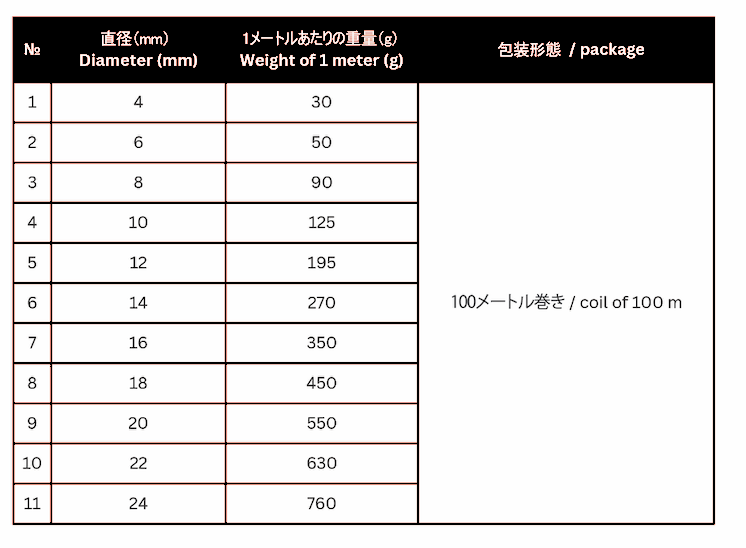
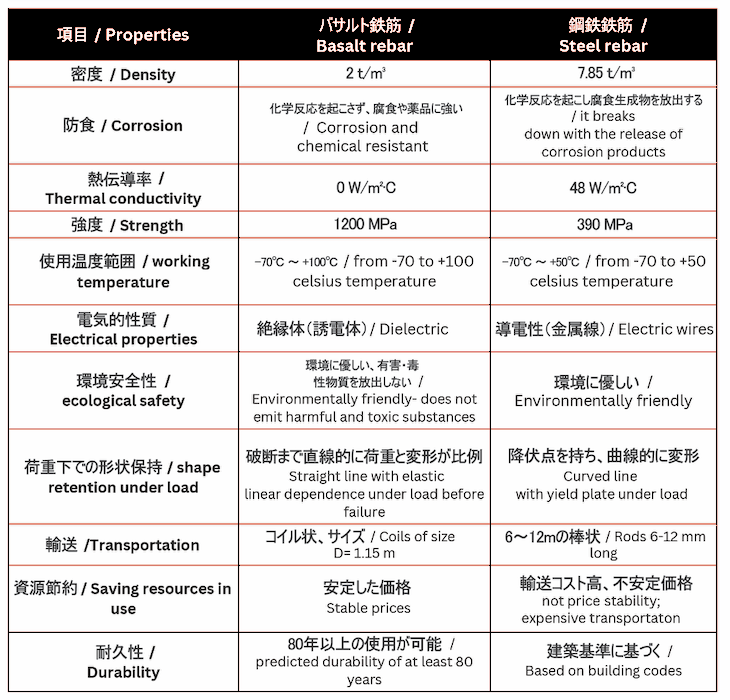
Basalt rebar is manufactured by bonding parallel basalt fibers with resin and forming them into rod-shaped bars.The surface has a spiral profile, which improves adhesion to concrete.Made from volcanic basalt rock, it is strong, lightweight, and corrosion-resistant, and is considered a next-generation alternative to steel reinforcement.
特徴 / ADVANTAGES 腐食しない(防食性)
→ Corrosion resistant 鉄筋の約4分の1の軽さ
→ 4 times lighter than steel rebar 輸送コストを削減
→ Reduces transportation cost 組立·施工が容易
→ Easy to assemble and install • 5. 100年以上の耐用年数
→ Service life of over 100 years
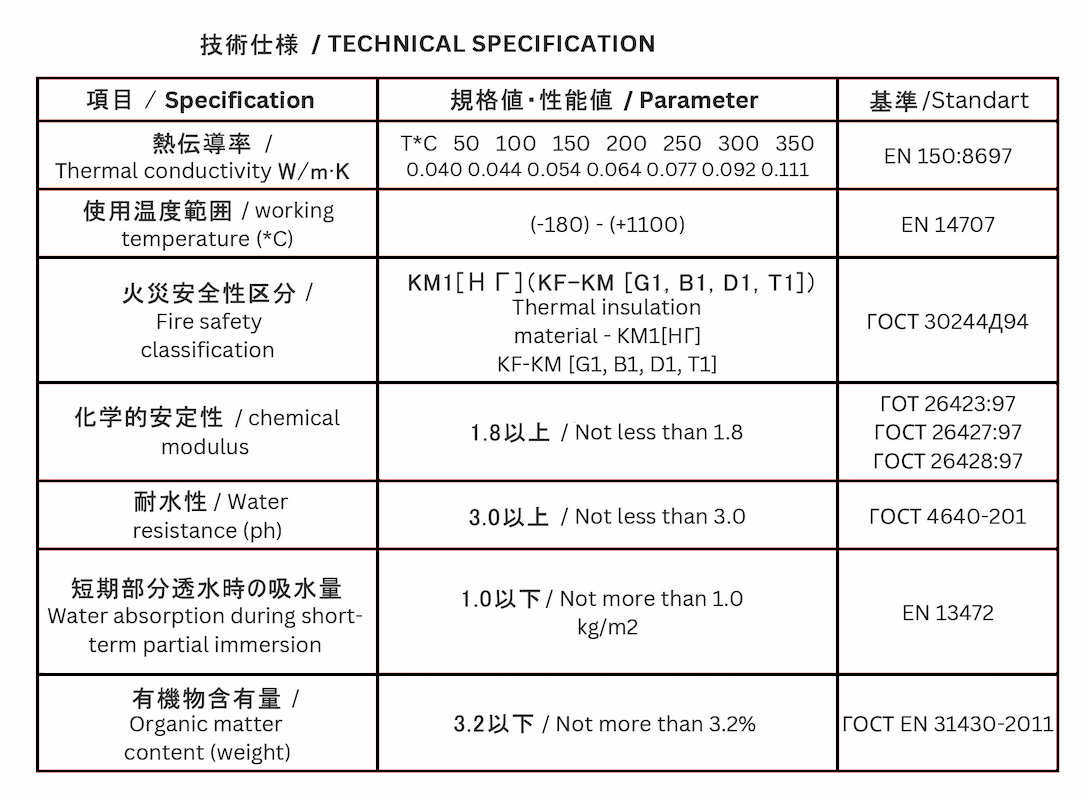
TECHNICAL SPECIFICATION

COMPARATIVE CHARACTERISTICS
Thermobasalt
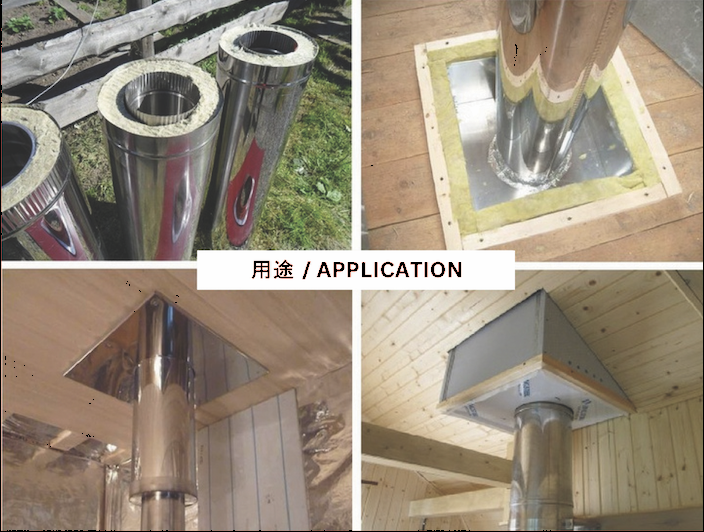
Thermobasalt insulation is a vapor-tight insulation material using a synthetic resin binder and is ideal for pipes, chimneys, ducts, and industrial cylindrical equipment.The outer surface is finished with aluminum foil metallized paper / foil mat), providing high moisture resistanceand durability.Depending on the shape and size of the installation area, it is manufactured in two types: cylindrical type and rolled mat type.
Thermobasalt (M60 kg/m³) rolled mats are used as insulation for ventilation ducts, low-temperature and heat-resistant pipelines, various tanks and storage facilities with porous surfaces, vegetable greenhouses, and cooling facilities. Thermobasalt (M80 and M100 kg/m³) rolled mats are used as insulation for high-temperature steam, hot-water, and gas pipelines, steam pressure vessels, high-temperature combustion furnaces, equipment, installations, and chimneys in oil refineries, power plants, and heat-supply plants.
APPLICATION

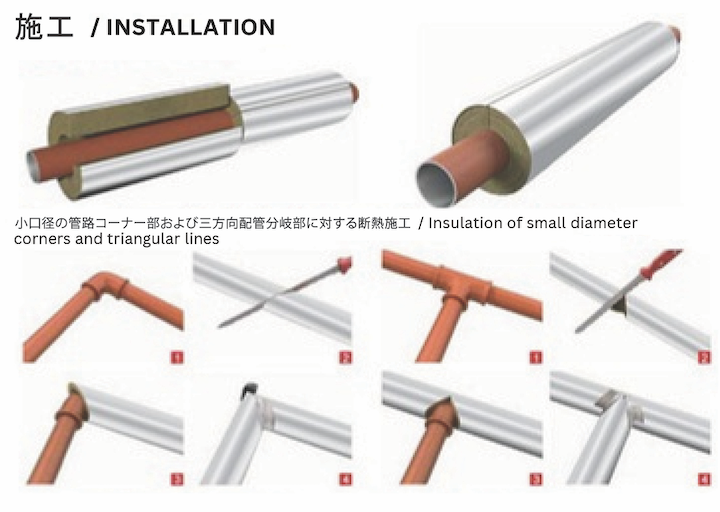
BASALTWOOL® industrially manufactured, mutually compatible insulation components provide the same insulation capacity both for straight pipe sections and pipe elbows, helping to maintain optimal performance throughout the pipeline.
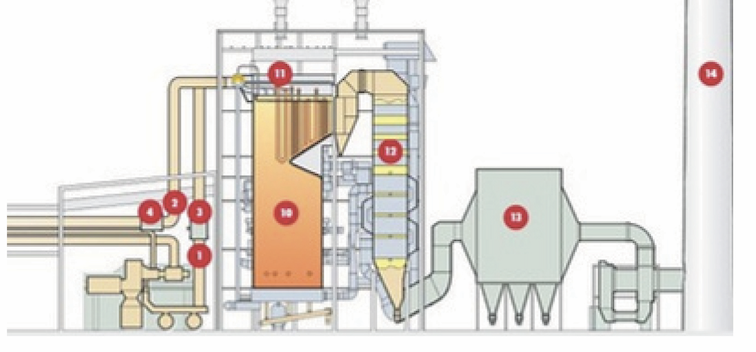
The high service temperatures involved in power generation, together with the variety of components that require insulation demand a wide range of special insulation solutions. For example, boilers need flexible, multilayer solutions, whereas tanks require a range of varying density slabs with high compressive stress.


THERMOBASALT CYLINDER
PIPE INSULATION
The THERMOBASALT cylindrical products are used for pipelines with a diameter of 20–300 mm. They are covered with silver paper and folmatecan with a thickness of 5 cm.
Characteristics
- Resistant to temperatures from −180 to +1100 degrees Celsius.
- Resistant to chemical reactions in contact with alkalis, acids, solvents and oils.
- It isolates water and moisture and protects metal structures from corrosion.
- Easy to assemble and install
GROWOOL
Cultivation using hydroponic technology based on rock wool does not depend on climate or weather conditions and enables stable harvests throughout all four seasons. The staff of Mongol Basalt JSC prepared the first a hydroponic cultivation technology guidebook in Mongolian and began selling it in 2021.

GROWOOL is a medium made exclusively for hydroponic cultivation (soilless cultivation) and is made from fibers derived from basalt. It promotes healthy and stable growth by stably supporting plant roots and uniformly supplying moisture, oxygen, and nutrients. Using GROWOOL enables stable crop production throughout the year, unaffected by climate or weather. It also significantly reduces water usage compared to conventional soil cultivation, creating a clean and easy-to-manage cultivation environment.